The “9th International Congress on Fertility and Mammary Health in Farm Animals”, organized under the leadership of Near East University, one of the world’s top 500 universities, brought together academics and experts from different countries, providing an international platform to discuss current scientific developments in livestock productivity, reproductive health, and mammary diseases.
The “9th International Congress on Fertility and Mammary Health in Farm Animals”, organized by Near East University, one of the world’s top 500 universities, was held in Kyrenia. Organized by the Near East University Faculty of Veterinary Medicine, this internationally respected scientific platform in the field of veterinary medicine, as in previous years, brought together leading academics, researchers, and experts from various countries.
The opening speeches of the congress, which began with a moment of silence and the Turkish National Anthem, were given by the Minister of Agriculture and Natural Resources Hüseyin Çavuş, the Rector of Near East University Prof. Dr. Tamer Şanlıdağ, and the Chairman of the Congress Organizing Committee Prof. Dr. Selim Aslan and Prof. Dr. İsfendiyar Darbaz, Dean of the Faculty of Veterinary Medicine of Near East University. The congress was attended by Prof. Dr. İrfan Suat Günsel, Chairman of the Board of Trustees of the Near East Enterprises; Ercan Akerzurumlu, Undersecretary of the Ministry of Agriculture and Natural Resources; Tunç Beyit, Director of the Veterinary Department; Prof. Dr. Murat Fındık, President of the Turkish Veterinary Gynecology Association; former Member of Parliament Kazım Üstüner; and representatives from various institutions, organizations, and the sector.
The three-day congress featured comprehensive sessions addressing reproductive health, fertility, mammary gland health, and current scientific developments in veterinary medicine in farm animals. Panels discussed current global challenges in veterinary medicine, scientific approaches, and proposed solutions. Participants emphasized the importance of strengthening collaboration between academia and field practice.
Current scientific approaches in dairy farming, reproductive health, and herd management were discussed…
Presentations given within the scope of the congress covered current scientific developments in dairy farming, reproductive biology, and animal health in detail. Prof. Dr. Carlos Risco, in his presentations titled “The impact of biotechnology advancements on increasing fertility in dairy cattle”, “The impact of fertility on milk production in dairy cattle”, and “How to diagnose a subfertile (low-yielding) herd”, drew attention to the effects of modern biotechnological approaches on herd productivity and production performance.
Prof. Dr. Örsan Güngör from Burdur Mehmet Akif Ersoy University chaired the Dollvet Satellite Symposium session, while Prof. Dr. Ersoy Baydar from Balıkesir University assessed the impact of early health on long-term production performance in his presentation titled “The strategic role of calf health in dairy farming: The impact of the first 60 days on 60 months.” Thomas Wittek shared current approaches to herd health and infectious disease management, addressing topics such as “Q fever and fertility in ruminant herds” and “Diagnostic methods and treatment of respiratory diseases in calves.”
Prof. Dr. Alexander Starke presented important assessments on herd management and clinical applications in the areas of “Animal health management in large dairy herds” and “Teeth injuries in cattle: diagnosis and treatment.” Prof. Dr. Volker Krömker shared current scientific data on udder health and infection control in his presentations titled “New findings on antibiotic treatment of mastitis” and “Mastitis pathogens and mastitis prevention.”
The Rasyolife Satellite Symposium featured significant scientific discussions under the title “Next Generation Approach to Preventive Medicine: Feeding, Metabolism and Reproductive Performance.” The symposium included presentations by RasyoLife Founder, Physician Talat Aydın, and RasyoLife Feeding Consultant Prof. Dr. Armağan Hayırlı and Prof. Dr. Mehmet Cengiz from Muğla Sıtkı Koçman University. Prof. Dr. Mark Crowe shared his scientific predictions for the future of cattle reproductive management in his presentations titled “Perspectives on the Next 20 Years in Cattle Reproduction” and “Two Current Proposals on Estrus Synchronization in Cattle.”
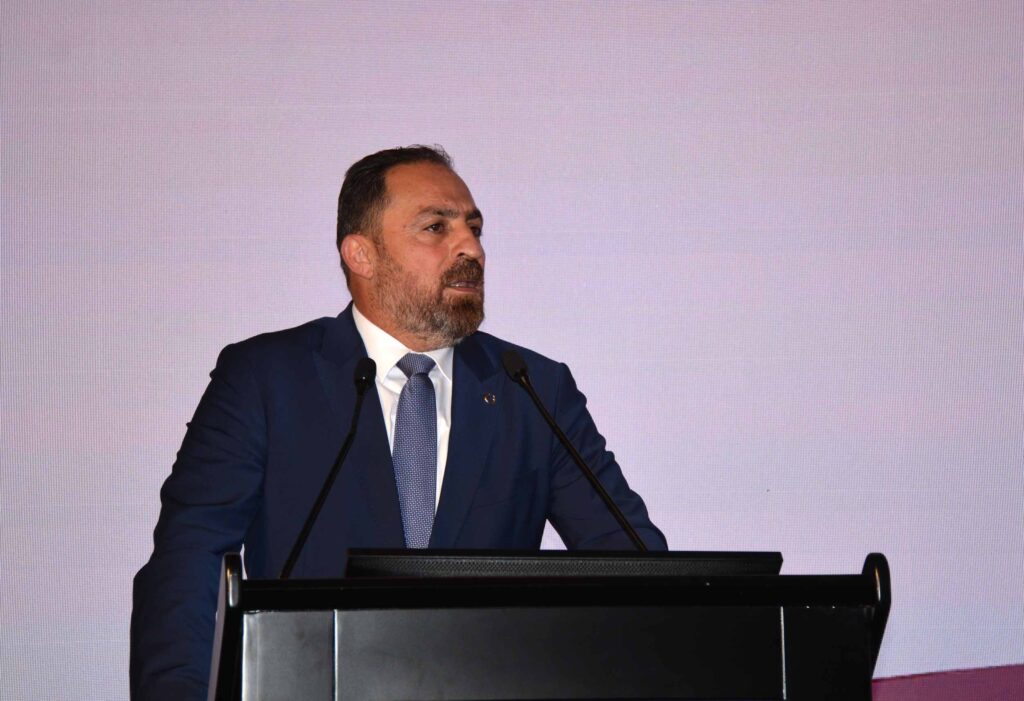
Hüseyin Çavuş: “Livestock farming is the guarantee of food security and the driving force of rural life.”
Minister of Agriculture and Natural Resources of the Turkish Republic of Northern Cyprus, Hüseyin Çavuş, in his speech at the congress, drew attention to the strategic importance of the livestock sector, saying, “Livestock farming is not only an economic activity, it is the guarantee of food security and the driving force of rural development.” He noted that collaborations established with scientists, academics, and sector representatives directly contribute to production, adding, “By reflecting the knowledge and experience we receive from you in the field, we strengthen production and keep our sector afloat despite global challenges.”
Referring to the achievements of recent years, Çavuş highlighted the increase in milk yield and quality, saying, “Thanks to our efforts to improve animal welfare, we have increased milk yield from 21 kilograms to over 27 kilograms. We believe that we will take this increase even further with your help.” He stated that they have created a sustainable production model despite drought and rising costs, emphasizing that a scientific approach has been decisive in this process. Referring to the investments made in the sector, Çavuş said, “We have taken significant steps in areas such as artificial insemination, fertilizer management, and climate control. We are advancing livestock farming to a more advanced level with genetic improvement studies and the production of high-quality roughage.” Stating that they aim to increase efficiency and reduce costs in production, Çavuş emphasized the importance of transferring scientific knowledge to the field. Touching upon the fight against animal diseases in the region, Çavuş said, “We prevented the spread of foot-and-mouth disease, which was spreading in southern Cyprus, by intervening early. We successfully managed this process with the support of Turkey.” Stating that the congress provides an important platform for international collaborations, Çavuş said, “Such scientific events will continue to shape the future of our sector,” and thanked all stakeholders who contributed.
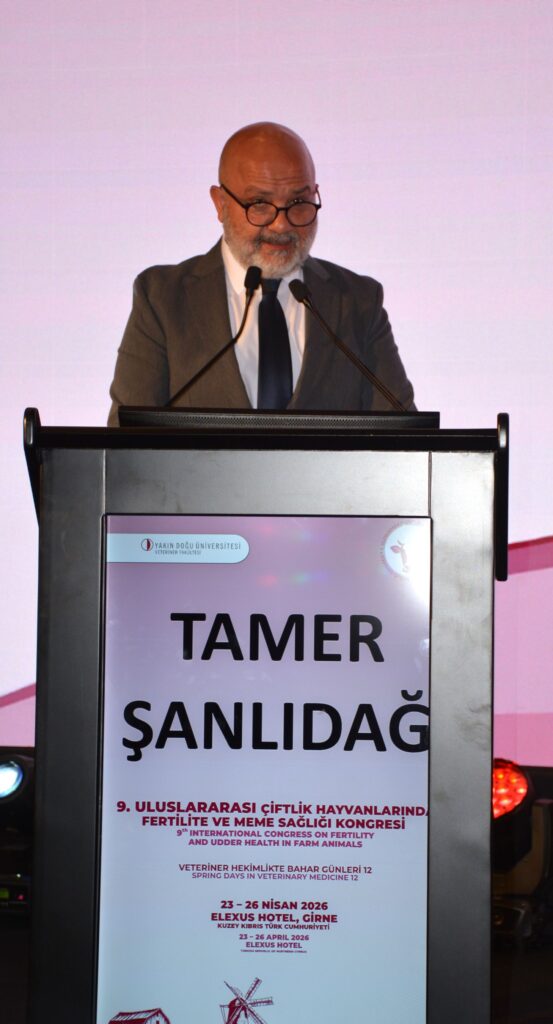
Prof. Dr. Tamer Şanlıdağ: “I believe that every academic connection established here will transform into stronger scientific productions in the future.”
Near East University Rector Prof. Dr. Tamer Şanlıdağ emphasized in his speech at the congress that veterinary medicine is not limited to animal health alone, but also holds strategic importance in terms of food safety, public health, and sustainable production. He stated that areas such as fertility and udder health directly affect productivity and quality, and that scientific studies conducted within this scope contribute not only to academic knowledge production but also to economic and social benefits. Noting that this congress, bringing together academics from different countries, provides a valuable platform for knowledge sharing and new collaborations, Prof. Dr. Şanlıdağ said, “The fact that this scientific tradition, which dates back to 2014 and began within the framework of ‘Veterinary Medicine Spring Days’, has now reached an international identity clearly demonstrates the level of academic accumulation we have achieved.”
Touching upon Near East University’s science-focused approach, Prof. Dr. Şanlıdağ stated that the university has been operating with a vision that considers research, production, and social contribution together since its establishment. Saying “Our goal is to create a strong scientific ecosystem that not only produces knowledge but also transforms it for the benefit of society.”, he summarized the university’s mission. Stating that sharing current scientific developments in the fields of fertility and breast health and strengthening interdisciplinary collaborations is a great achievement, Prof. Dr. Şanlıdağ said, “I believe that every academic connection established here will transform into stronger scientific outputs in the future.”
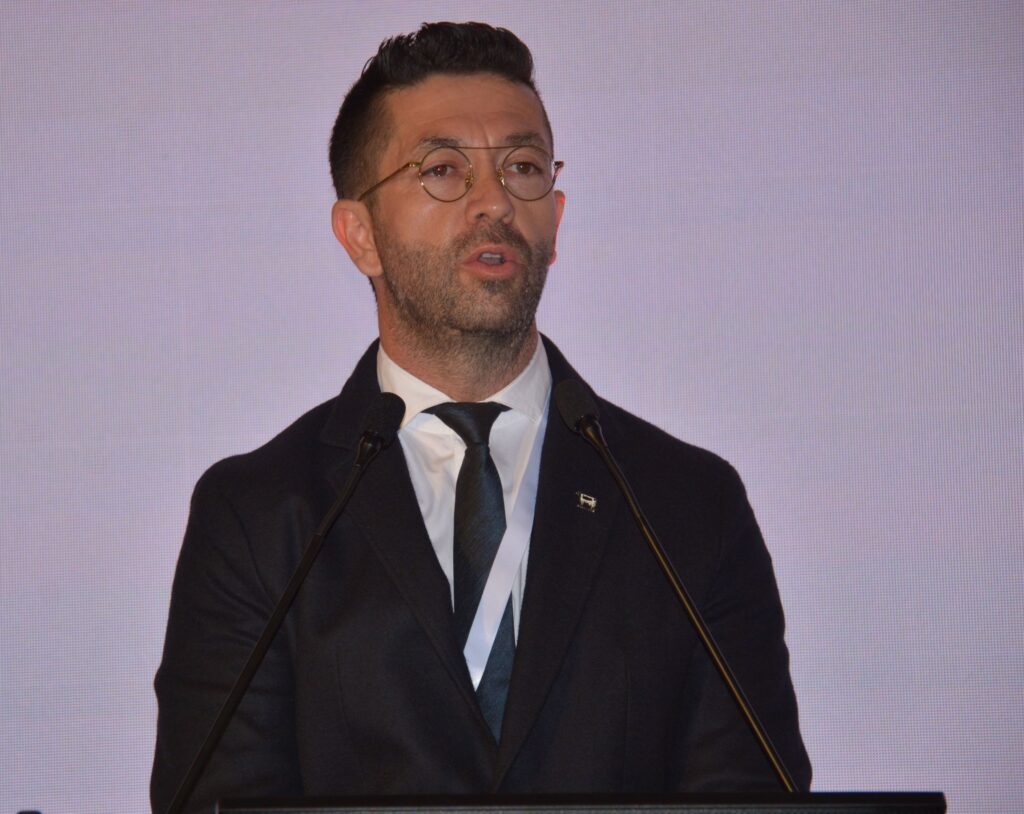
Prof. Dr. İsfendiyar Darbaz: “This congress is a platform for responsibility towards our common future.”
Prof. Dr. İsfendiyar Darbaz, Dean of the Faculty of Veterinary Medicine of Near East University, emphasized in his opening speech that the organization was not only a scientific event, saying, “Today, we are opening the doors not only to a congress, but also to science, collaboration, and a sense of shared responsibility.” Drawing attention to the fact that areas such as the sustainability of animal husbandry, food safety, and animal welfare require international cooperation, Prof. Dr. Darbaz stated that the congress provides an important platform in this respect.
Touching upon the faculty’s vision, Prof. Dr. Darbaz said, “We are not just an academic institution that grants diplomas, we are one that produces science, develops solutions, and guides society.”, adding that they hold a leading position with their strong infrastructure and international collaborations. Emphasizing that topics such as fertility, udder health, and herd management are critical for the sector, Prof. Dr. Darbaz said, “Today, successful livestock farming is possible through data-driven management, early diagnostic systems, and preventive medicine.”
Emphasizing the importance of biosecurity, Prof. Dr. Darbaz said, “Risks like foot-and-mouth disease show that this area is too strategic to be neglected.” Emphasizing the One Health approach, Prof. Dr. Darbaz concluded his speech by saying, “Human, animal, and environmental health cannot be considered separately.”
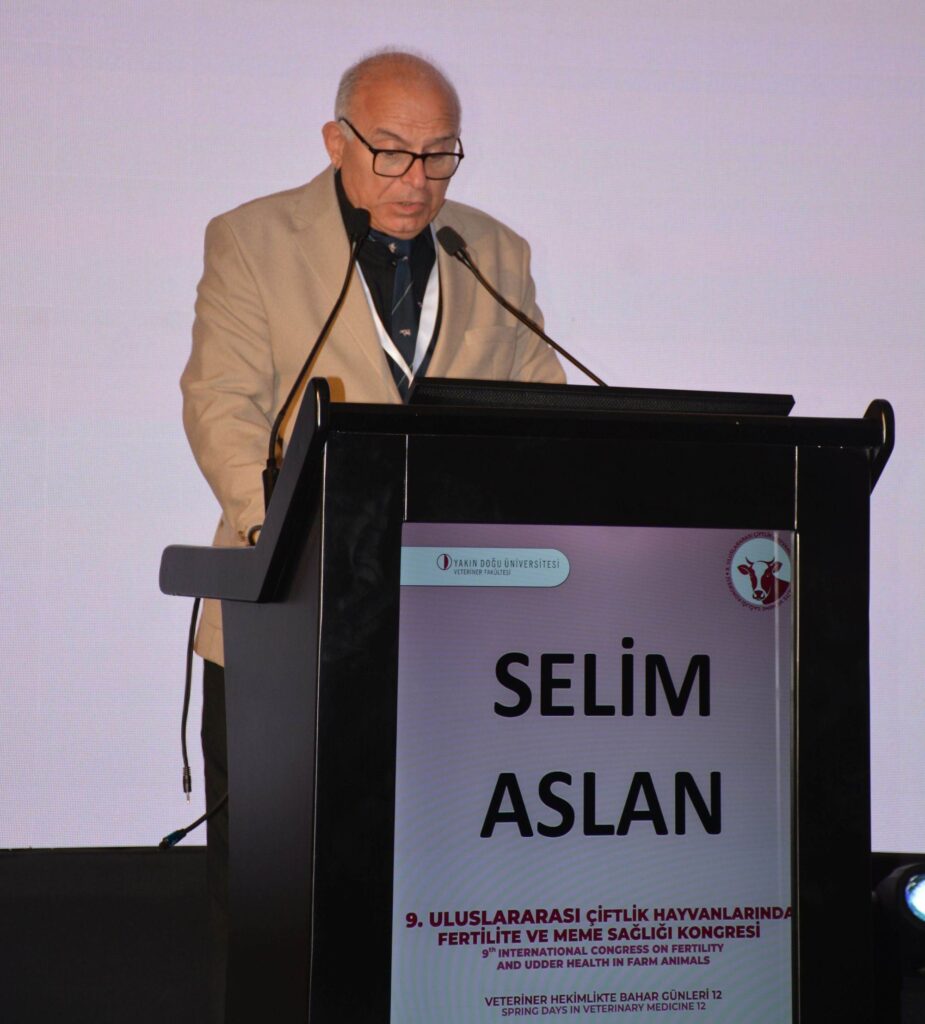
Prof. Dr. Selim Aslan: “Advances in genetic evaluation methods provide more reliable results in breeding stock selection.”
Prof. Dr. Selim Aslan, the Chairman of the Congress Organizing Committee, stated in his speech that science is not limited to producing knowledge, but also serves as a bridge that constantly nourishes development between humanity and professions. Emphasizing that science is not static but a dynamic process that constantly renews itself, Prof. Dr. Aslan said that scientific studies and field applications complement each other. Touching upon the development process of veterinary reproductive biotechnology, Prof. Dr. Aslan stated that this field has gone through significant stages over time. He reminded the audience that the scientific process, which began with the understanding of the importance of hand hygiene, has progressed with methods such as embryo transfer and artificial insemination. Aslan said, “Each new step is built upon the previous one.”
Prof. Dr. Aslan noted that the emergence of sperm freezing technology in the 1940s was a significant turning point, and that subsequent methods used in managing reproductive processes further developed the field. He added that veterinary medicine is currently undergoing a major transformation with technology, and that advancements in imaging techniques have enabled earlier and more accurate detection of diseases.